Koriandri: Your Essential Guide to Uses and Benefits
When you first encounter the aroma of koriandri, you’re likely smelling one of the most globally utilized herbs. Often recognized by its common names, coriander (for its seeds) and cilantro (for its leaves), koriandri offers a dual-purpose culinary delight and a surprising array of health advantages. For centuries, across diverse cultures, this plant has been more than just a seasoning; it’s been a staple in traditional remedies and a cornerstone of flavorful dishes. Whether you’re a seasoned chef or just beginning to explore the world of herbs and spices, understanding koriandri can significantly elevate your cooking and well-being. (Source: nccih.nih.gov)
For many, the distinction between the leaves and seeds is crucial, as they possess different flavor profiles and applications. The fresh, bright, citrusy notes of the leaves are a staple in Mexican, Thai, and Vietnamese cuisines, while the warm, earthy, slightly sweet seeds are fundamental in Indian curries, Middle Eastern rubs, and European charcuterie. This guide will explore the multifaceted nature of koriandri, from its botanical background to practical tips for its use in your kitchen and its potential impact on your health.
Latest Update (April 2026)
As of April 2026, research continues to explore the full spectrum of koriandri’s health benefits. Recent studies, including those highlighted by the National Center for Complementary and Integrative Health (NCCIH), are investigating its potential role in managing inflammation and its antioxidant properties. Culinary trends in 2026 show a continued rise in the use of micro-cilantro as a delicate garnish and an increased interest in incorporating toasted coriander seeds into artisanal bread recipes for a nuanced flavor profile. According to agricultural reports, sustainable cultivation practices for Coriandrum sativum are gaining traction, with a focus on organic farming methods to enhance seed quality and leaf potency.
What is Koriandri?
Koriandri, scientifically known as Coriandrum sativum, is an annual herb in the family Apiaceae. Native to regions of Southern Europe and North Africa, it has spread worldwide, becoming an indispensable ingredient in kitchens from India to South America. The plant produces small white or pink flowers, followed by small, round, dry seeds. Both the leaves and the seeds are edible and used extensively in cooking, though they offer vastly different sensory experiences.
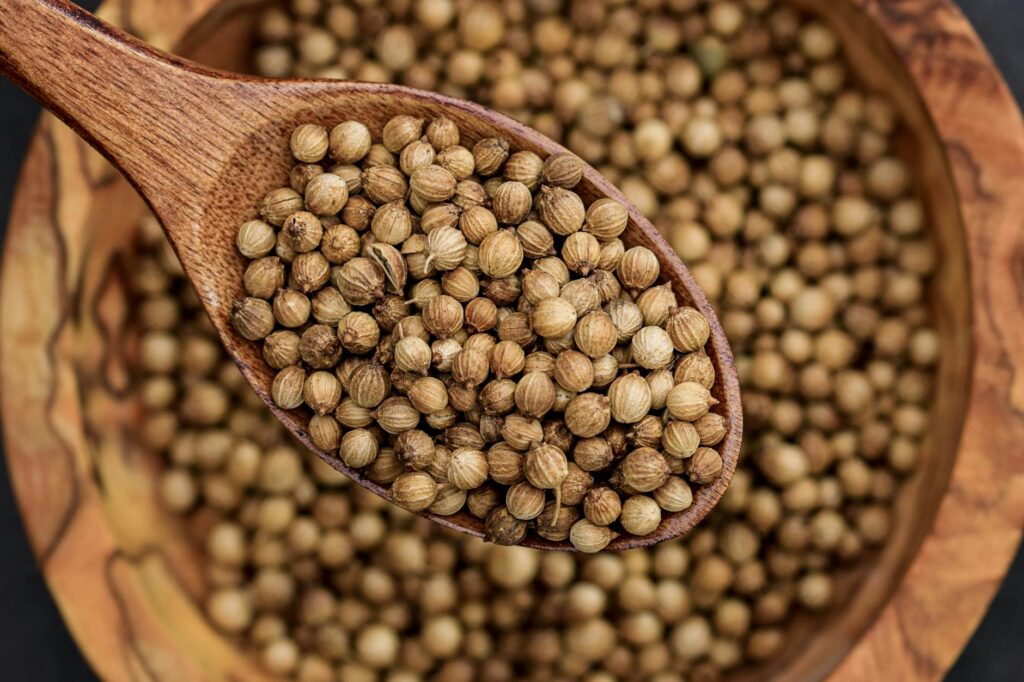
The leaves, commonly called cilantro, have a pungent, citrusy flavor profile that can be polarizing for some. This is due to specific aldehyde compounds that contribute to its unique taste. Conversely, the dried seeds, known as coriander, have a milder, warm, nutty, and slightly sweet flavor with hints of citrus and spice. Toasting the seeds enhances their aromatic qualities, making them a popular choice for spice blends.
Based on recent reviews, understanding this botanical duality is the first step to truly appreciating koriandri. Users report that home cooks often shy away from cilantro leaves due to their strong initial flavor, only to discover a newfound appreciation when the leaves are used judiciously in fresh salsas or vibrant chutneys. The seeds, on the other hand, are widely appreciated for their comforting warmth.
Important: While often used interchangeably in casual conversation, remember that ‘cilantro’ refers to the fresh leaves and stems, while ‘coriander’ refers to the dried seeds of the Coriandrum sativum plant. Both are indeed koriandri.
Koriandri in the Kitchen: Culinary Versatility
The culinary applications of koriandri are as diverse as the global cuisines it graces. As cilantro, the leaves are a fresh garnish and flavor enhancer. They are essential in pico de gallo, guacamole, and countless other Mexican dishes. In Southeast Asian cooking, cilantro is vital for adding brightness to curries, soups like Pho, and noodle dishes. A simple sprinkle of fresh cilantro can transform a heavy dish into something more vibrant and refreshing.
The seeds, when ground or used whole, impart a warm, earthy, and slightly citrusy note. They are a key component in garam masala and other Indian spice blends. They are also used in pickling brines, marinades for meats, and baked goods in some European traditions. A common practice in Indian cooking is to lightly toast coriander seeds before grinding them to unlock their full aromatic potential. This simple step makes a significant difference in the depth of flavor.
According to culinary experts, a traditional chicken tagine recipe from Marrakech often calls for whole coriander seeds, which are fried briefly in oil with other spices before adding the main ingredients. The aroma that fills the kitchen is intoxicating, a testament to the power of koriandri seeds when treated with heat.
| Form of Koriandri | Flavor Profile | Common Culinary Uses | Preparation |
|---|---|---|---|
| Leaves (Cilantro) | Fresh, citrusy, pungent, sometimes polarizing | Garnishes, salsas, chutneys, salads, soups, curries | Used fresh, added at the end of cooking |
| Seeds (Coriander) | Warm, nutty, earthy, slightly sweet, citrusy | Spice blends, curries, marinades, rubs, pickling, stews | Whole, ground, toasted (often before use) |
The Health Advantages of Consuming Koriandri
Beyond its culinary appeal, koriandri has a long history of use in traditional medicine, and modern science is beginning to validate some of these traditional claims. Both the leaves and seeds are packed with beneficial compounds, including vitamins, minerals, and antioxidants. The NCCIH notes that coriander has been traditionally used for digestive issues and pain relief.
Studies suggest that koriandri may offer several health benefits. The seeds, in particular, are rich in dietary fiber, which can aid in digestion and help manage blood sugar levels. Reports indicate that compounds within coriander seeds may help lower LDL (bad) cholesterol and raise HDL (good) cholesterol, contributing to cardiovascular health. A study published in the journal Avicenna Journal of Phytomedicine in 2011 highlighted the cholesterol-lowering effects of coriander seed extract in animal models, and ongoing research aims to confirm these findings in human trials.
The leaves are a good source of Vitamin K, essential for bone health and blood clotting, as well as Vitamin A and Vitamin C, potent antioxidants that support immune function and skin health. Both parts of the plant contain various phytonutrients and volatile oils that contribute to their therapeutic properties.
Growing and Storing Koriandri
Growing your own koriandri is a rewarding experience, allowing you to have fresh cilantro and coriander seeds readily available. Coriandrum sativum prefers full sun to partial shade and well-drained soil. It grows relatively quickly, with leaves typically ready for harvest within 4-6 weeks and seeds mature in about 90-120 days after planting.
For optimal storage, cilantro leaves should be stored unwashed in a plastic bag or container in the refrigerator, where they will stay fresh for about a week to 10 days. For longer storage, consider freezing chopped cilantro in ice cube trays with water or oil. Coriander seeds should be stored in an airtight container in a cool, dark, dry place. Ground coriander loses its potency more quickly, so it’s best to grind seeds as needed or store ground coriander in the refrigerator for up to six months.
Common Koriandri Mistakes to Avoid
A common pitfall for home cooks is overusing cilantro leaves, which can overpower a dish with their strong flavor. It’s often best used as a fresh finishing herb rather than cooked for extended periods. Another mistake is not toasting coriander seeds before grinding; this step significantly enhances their aroma and flavor complexity. For those sensitive to cilantro’s taste, using only the stems or smaller leaves can sometimes yield a milder flavor profile.
Expert Tips for Maximizing Koriandri’s Potential
Culinary professionals often emphasize the importance of using fresh ingredients. When selecting cilantro, look for vibrant green leaves free from wilting or yellowing. For coriander seeds, whole seeds offer a longer shelf life and more intense flavor when freshly ground. Experiment with different cuisines to discover new ways to incorporate both forms of koriandri into your diet. Consider pairing cilantro with cooling ingredients like cucumber or yogurt to balance its pungency, and use toasted coriander seeds in rubs for grilled meats or roasted vegetables.
Frequently Asked Questions
Is cilantro the same as coriander?
While both come from the same plant (Coriandrum sativum), ‘cilantro’ refers to the fresh leaves and stems, and ‘coriander’ refers to the dried seeds.
Why does cilantro taste like soap to some people?
This is due to a genetic variation that affects how individuals perceive certain aldehyde compounds present in cilantro. For some, these compounds trigger a soapy or metallic taste.
How can I store fresh cilantro to make it last longer?
Reports suggest storing unwashed cilantro upright in a glass of water, covered loosely with a plastic bag, in the refrigerator. Change the water every couple of days.
Can I grow coriander seeds and cilantro leaves from the same plant?
Yes, you can harvest the leaves (cilantro) at any time. If you allow the plant to bolt and go to seed, you can then harvest and dry the seeds for use as coriander.
What are the main health benefits of coriander seeds?
Studies suggest coriander seeds are rich in fiber, may aid digestion, help manage blood sugar, and potentially contribute to better cholesterol levels, supporting cardiovascular health.
Conclusion
Koriandri, in both its leafy cilantro form and its seedy coriander form, is a truly versatile herb with a rich history and significant culinary and potential health benefits. From adding a burst of freshness to global dishes to offering traditional medicinal properties, this humble plant continues to be a valuable asset in kitchens and wellness routines worldwide. By understanding its dual nature and employing best practices for its use and storage, you can fully harness the power of koriandri.