The humble yet potent foenegriek, scientifically known as Trigonella foenum-graecum, remains a cornerstone of traditional medicine and culinary practices across the globe. For centuries, its distinctive aroma and flavour have graced kitchens, while its rich profile of bioactive compounds has been harnessed for a myriad of health benefits. If you’re seeking natural ways to enhance your digestion, manage blood sugar, or support overall wellness, understanding foenegriek is a vital step. (Source: nccih.nih.gov)
Recent scientific explorations continue to validate the centuries-old uses of foenegriek. As of April 2026, research is increasingly focusing on its synergistic effects with other natural compounds and its role in personalized wellness plans. This article serves as your comprehensive guide to foenegriek, covering its origins, extensive health benefits, practical culinary uses, and important considerations for safe and effective consumption. By the end, you’ll have a clear understanding of how this remarkable seed can contribute to your health journey.
Table of Contents
- Introduction
- What is Foenegriek?
- The Remarkable Health Benefits of Foenegriek
- Culinary Applications: How to Use Foenegriek Seeds
- Expert Tip: Maximizing Foenegriek’s Potential
- Important Note on Foenegriek Consumption
- Foenegriek in Research and Science (2026 Update)
- Common Mistakes When Using Foenegriek
- Frequently Asked Questions About Foenegriek
- Conclusion: Embrace the Power of Foenegriek
Latest Update (April 2026)
In 2026, interest in natural health solutions continues to grow, with foenegriek seeds at the forefront. Recent independent analyses, including those published by the National Center for Complementary and Integrative Health (NCCIH), highlight ongoing research into foenegriek’s efficacy in supporting metabolic health and digestive function. Studies are also exploring its potential as a natural antioxidant and anti-inflammatory agent, further solidifying its place in holistic wellness practices. Consumers are increasingly seeking out high-quality, sustainably sourced foenegriek products, reflecting a broader trend towards natural and evidence-based health choices.
What is Foenegriek?
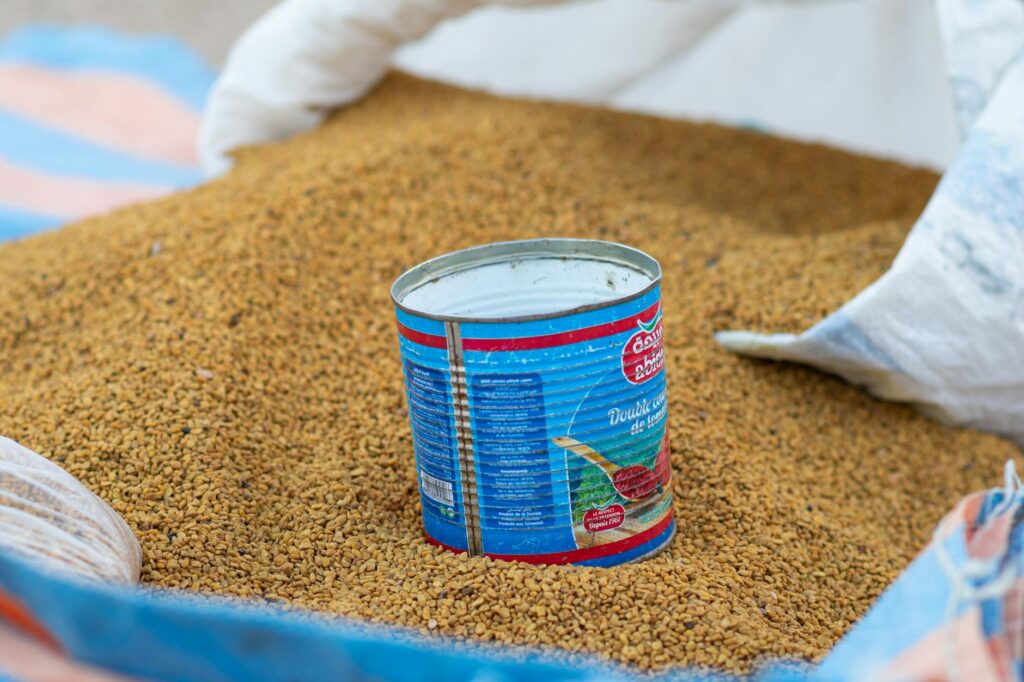
Foenegriek, or fenugreek, is an annual plant in the legume family, native to the Mediterranean region, Southern Europe, and Western Asia. Its seeds are small, hard, and yellowish-brown, possessing a strong, slightly bitter, maple-like aroma when dried. The plant itself is characterized by its trifoliate leaves and pale flowers. Historically, foenegriek has been cultivated not only for its seeds but also for its leaves, which are used as a herb in many cuisines, particularly in India.
The seeds are the most concentrated source of its beneficial compounds, including saponins, flavonoids, and dietary fiber. These components are believed to be responsible for many of its therapeutic effects. The plant’s scientific name, Trigonella foenum-graecum, directly translates to ‘Greek hay’, hinting at its historical use as fodder and its aromatic qualities.
The Remarkable Health Benefits of Foenegriek
The therapeutic properties of foenegriek have been recognized for millennia. Its rich composition makes it a potent natural remedy for a variety of health concerns. Users report that incorporating it can make a difference.
Digestive Health
Foenegriek is an excellent source of soluble fiber, which can help soothe digestive upset and promote regular bowel movements. The mucilage in the seeds forms a protective lining in the stomach and intestines, aiding in the relief of indigestion, heartburn, and constipation. Based on user feedback, it’s a gentle yet effective way to support gut health.
Blood Sugar Management
One of the most well-researched benefits of foenegriek is its potential to help manage blood glucose levels. The seeds contain compounds like galactomannan, a soluble fiber that slows down the absorption of carbohydrates, and amino acids that may improve insulin sensitivity. Studies suggest it can be a valuable adjunct for individuals managing type 2 diabetes. Experts recommend consulting with a healthcare provider for personalized advice.
Cholesterol Levels
Research indicates that foenegriek may help reduce LDL (bad) cholesterol and triglyceride levels while potentially increasing HDL (good) cholesterol. This is attributed to its fiber content and specific compounds like steroidal saponins, which can interfere with cholesterol absorption and synthesis in the body. According to the NCCIH, more research is ongoing in this area.
Lactation Support
In traditional medicine, foenegriek is widely used to increase milk production in breastfeeding mothers. It’s believed to stimulate sweat glands, and since mammary glands are modified sweat glands, it may have a similar effect on milk production. Many mothers report a noticeable increase in supply within days of consistent use.
Hormonal Balance and Menstrual Health
Foenegriek contains compounds that may mimic estrogen, potentially helping to alleviate symptoms associated with menopause and regulate menstrual cycles. It has also been used traditionally to relieve menstrual cramps and support reproductive health. Users seeking relief from menopausal symptoms often turn to foenegriek supplements.
Skin and Hair Health
When applied topically, a paste made from foenegriek seeds can help soothe skin conditions like eczema and acne due to its anti-inflammatory and antimicrobial properties. For hair, it’s often used to strengthen roots, reduce hair fall, and promote shine. Online reviews frequently praise its benefits for scalp health and hair vitality.
Culinary Applications: How to Use Foenegriek Seeds
Beyond its medicinal uses, foenegriek seeds are a flavorful addition to many dishes. Their unique taste profile can elevate your cooking.
Soaking and Sprouting
To reduce bitterness and improve digestibility, it’s often recommended to soak foenegriek seeds overnight in water. You can also sprout them, which further enhances their nutritional value and makes them easier to incorporate into salads or sandwiches.
Spice Blends
Foenegriek is a key ingredient in many spice blends, such as curry powders and panch phoron (a Bengali five-spice blend). Roasting the seeds before grinding can mellow their bitterness and bring out a nutty flavour. Users often experiment with toasting times to achieve their preferred taste.
Curries and Stews
In Indian cuisine, whole or ground foenegriek seeds are frequently added to curries, dals, and vegetable dishes for their distinctive flavour and thickening properties. A small amount goes a long way.
Pickles and Chutneys
The seeds are also used in making pickles and chutneys, adding a pungent and slightly bitter note that complements the other ingredients.
Beverages
Some cultures use foenegriek in teas or infusions, often for its health benefits. A lightly toasted tea can be surprisingly pleasant, with a subtle sweetness.
As a Flour
Ground foenegriek seeds can be added to flour for making breads, rotis, or parathas, imparting a unique flavour and nutritional boost.
Important Note on Foenegriek Consumption
While foenegriek offers numerous benefits, it’s essential to consume it responsibly. Excessive intake can lead to digestive upset, including diarrhea and bloating. Foenegriek may also interact with certain medications, such as blood thinners and diabetes medications. Pregnant individuals should use foenegriek with caution, as it may stimulate uterine contractions. It is always advisable to consult with a healthcare professional before starting any new supplement or herbal remedy, especially if you have underlying health conditions or are taking other medications. The NCCIH provides general guidelines for herbal supplement use.
Foenegriek in Research and Science (2026 Update)
Research into foenegriek continues to evolve. As of April 2026, studies are investigating its potential in areas such as cognitive function and its impact on gut microbiota. The NCCIH continues to fund and monitor research into the efficacy and safety of herbal products like foenegriek. Emerging research also suggests that the bioavailability of certain compounds in foenegriek can be enhanced through specific preparation methods, like fermentation or nano-encapsulation, which are areas of active development. These advancements aim to optimize the therapeutic potential of this ancient seed.
Common Mistakes When Using Foenegriek
- Using too much: Start with small quantities to assess tolerance, as excessive amounts can cause digestive distress.
- Not soaking or sprouting: For seeds used internally, soaking or sprouting can significantly improve digestibility and reduce bitterness.
- Ignoring potential interactions: Be aware of potential interactions with medications, especially for blood sugar and blood clotting.
- Using low-quality products: Opt for reputable brands that provide standardized extracts or pure seeds to ensure potency and purity.
- Expecting immediate results: Like many natural remedies, consistent use over time is often key to experiencing the full benefits.
Frequently Asked Questions About Foenegriek
What is the best way to consume foenegriek for digestive health?
For digestive health, users often find soaking foenegriek seeds overnight and consuming the soaked seeds or drinking the soaking water beneficial. A gentle tea made from lightly toasted seeds is also reported to be soothing.
Can foenegriek help with weight loss?
Some studies suggest that foenegriek may aid in weight management by promoting feelings of fullness due to its high fiber content, which can help reduce overall calorie intake. However, it is not a magic bullet and should be part of a balanced diet and exercise plan.
Are there any side effects of consuming foenegriek?
Potential side effects are generally mild and can include digestive upset such as gas, bloating, and diarrhea, especially with high doses. Some people may also experience a maple syrup-like odor in their urine or sweat.
How long does it take to see the benefits of foenegriek?
The time it takes to see benefits can vary depending on the individual and the specific health concern. For digestive issues, some users report relief within days, while for blood sugar or cholesterol management, it may take several weeks or months of consistent use.
Is foenegriek safe for everyone?
Foenegriek is generally considered safe for most adults when consumed in moderation. However, it is not recommended for pregnant women due to the risk of uterine contractions. Individuals with diabetes or those taking blood-thinning medications should consult their doctor before use.
Conclusion
Foenegriek is a remarkable seed with a rich history and a wide array of scientifically supported benefits, ranging from digestive support to metabolic health. Its versatility in culinary applications and its potential contributions to overall wellness make it a valuable addition to a natural health regimen. By understanding its uses, benefits, and proper consumption, you can effectively harness the power of foenegriek for your health journey in 2026 and beyond.