Corrugated Cardboard Boxes: Your 2026 Guide to Versatility & Value
Corrugated cardboard boxes are the unsung heroes of modern commerce and home organization, handling an estimated 90% of all manufactured goods shipped in the United States. In 2026, their role continues to expand beyond mere transit packaging, offering surprising versatility and value. Understanding their construction and best uses can save you money and improve your operations.
Table of Contents
- Why Corrugated Cardboard Boxes Dominate Packaging in 2026
- What Makes a Corrugated Cardboard Box Strong?
- How Are Corrugated Cardboard Boxes Used Beyond Shipping?
- Choosing the Right Corrugated Cardboard Boxes for Your Needs
- Maximizing Value: Tips for Using Corrugated Cardboard Boxes
- The Environmental Impact of Corrugated Cardboard Boxes
Why Corrugated Cardboard Boxes Dominate Packaging in 2026
Corrugated cardboard boxes remain the dominant force in packaging for numerous reasons, primarily driven by their cost-effectiveness and protective qualities. In 2026, an estimated 150 billion square feet of corrugated products are produced annually in the US alone, highlighting their sheer volume. Their lightweight nature reduces shipping costs, while their inherent strength provides crucial protection against impacts and punctures during transit. This dual benefit makes them indispensable for e-commerce giants like Amazon and small businesses alike.
What Makes a Corrugated Cardboard Box Strong?
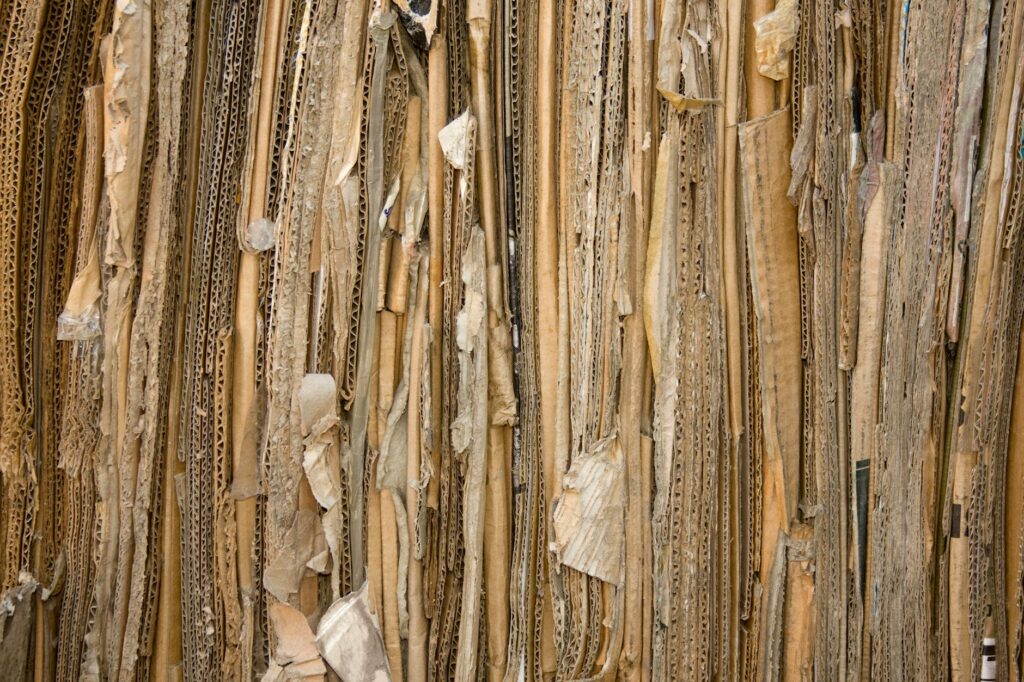
The strength of corrugated cardboard boxes comes from their unique, multi-layered structure. This isn’t just flat cardboard; it’s engineered for performance. The key components are the linerboard (the flat outer and inner sheets) and the fluted medium (the wavy layer in between). This fluted layer acts like an accordion, creating air pockets that absorb shock and a rigid structure that resists crushing. Single-wall construction, the most common, features one fluted layer between two linerboards. Double-wall and triple-wall constructions offer even greater strength for heavier items or more demanding shipping environments.
The corrugated board industry in the US supports over 100,000 jobs and generates billions in revenue annually, underscoring its economic significance. (Source: Fibre Box Association, 2023)
How Are Corrugated Cardboard Boxes Used Beyond Shipping?
While shipping is their primary function, corrugated cardboard boxes have a surprising array of secondary uses in 2026, driven by their affordability and workability. Many individuals and small businesses repurpose them for home organization, creating custom drawer dividers or shelving units. In the crafting world, they are a popular medium for DIY projects, from children’s playhouses to intricate art installations. Some businesses even use them for temporary in-store displays or as protective layering during renovations. The sheer volume produced means they are readily available for creative reuse.
Choosing the Right Corrugated Cardboard Boxes for Your Needs
Selecting the correct corrugated cardboard boxes is crucial for product protection and cost efficiency. Consider the weight and fragility of the items you’re packing. For lightweight goods, standard single-wall boxes (e.g., 200-lb test) might suffice. For heavier or more delicate items, opt for stronger double-wall (e.g., 275-lb test) or even triple-wall boxes. Dimensions are also key; a box that’s too large requires excessive void fill, increasing costs and waste, while one too small risks damage. Many suppliers, like Uline, offer a vast catalog with detailed specifications for each box type.
| Box Type | Typical Use Cases | Strength Indicators | Pros | Cons |
|---|---|---|---|---|
| Single-Wall Corrugated Box | Lightweight items, small e-commerce shipments, general packing | 125-275 lb test, ECT 23-48 | Cost-effective, lightweight, widely available | Lower stacking strength, less impact resistance |
| Double-Wall Corrugated Box | Medium-weight items, fragile goods, appliance shipping | 275-480 lb test, ECT 48-71 | Enhanced durability, higher stacking strength, better protection | Slightly heavier and more expensive than single-wall |
| Triple-Wall Corrugated Box | Heavy-duty items, industrial equipment, long-term storage | 500+ lb test, ECT 71+ | Maximum strength and protection, superior stacking capability | Heaviest and most expensive option |
Maximizing Value: Tips for Using Corrugated Cardboard Boxes
To get the most out of your corrugated cardboard boxes, smart packing is essential. Firstly, utilize appropriate void fill – such as packing peanuts, bubble wrap, or kraft paper – to prevent items from shifting. Secondly, distribute weight evenly within the box. For heavier items, consider placing them at the bottom. Thirdly, ensure the box flaps close properly and can be securely taped. Using strong packing tape (at least 2 inches wide) is vital. For businesses, exploring custom printing on boxes can turn them into powerful marketing tools, reinforcing brand identity with every shipment. Companies like Packlane specialize in custom-printed solutions.
A common mistake people make is underestimating the importance of proper sealing. Simply folding the flaps isn’t enough; using the H-tape method (taping the center seam and both edge seams) provides the most secure closure for corrugated cardboard boxes.
The Environmental Impact of Corrugated Cardboard Boxes
Corrugated cardboard boxes are a relatively sustainable packaging choice in 2026. The industry reports that over 95% of corrugated material in the US is made from recycled content, and more than 87% of corrugated products are recovered and recycled. This high recyclability rate makes them a preferred option over many plastics. The paper fibers in corrugated cardboard can be recycled multiple times, reducing the need for virgin materials and minimizing landfill waste. When choosing packaging, prioritizing corrugated cardboard boxes supports a more circular economy.
The primary benefit is their biodegradability; unlike plastic, they break down naturally over time. However, the energy and water required for manufacturing and recycling are still factors. Choosing suppliers committed to sustainable forestry practices, such as those certified by the Forest Stewardship Council (FSC), further enhances the eco-friendly profile of corrugated cardboard boxes.
Frequently Asked Questions
Are corrugated cardboard boxes recyclable?
Yes, corrugated cardboard boxes are highly recyclable. The vast majority of materials used in their production contain recycled content, and over 87% of these boxes are recovered and recycled annually in the US. They can typically be recycled curbside, though local guidelines may vary.
What is the difference between cardboard and corrugated cardboard boxes?
Cardboard is a general term for thick paper stock. Corrugated cardboard specifically refers to material with a fluted (wavy) inner layer sandwiched between two flat linerboards, providing cushioning and structural integrity essential for shipping.
How much weight can a corrugated cardboard box hold?
The weight a corrugated cardboard box can hold varies significantly based on its construction (single, double, or triple-wall) and its specific strength ratings like Edge Crush Test (ECT) or Mullen Test. Boxes can range from holding a few pounds to over 100 pounds for heavy-duty options.
Can corrugated cardboard boxes be used for food packaging?
Yes, corrugated cardboard boxes can be used for food packaging, provided they are specifically manufactured for food contact and meet relevant safety regulations. Uncoated, food-grade boxes are common for dry goods, while specialized coatings might be used for items requiring moisture resistance.
What does ECT mean on a corrugated cardboard box?
ECT stands for Edge Crush Test. It measures the compression strength of the corrugated board when force is applied to the edges. An ECT rating, such as ECT 32, indicates the minimum load in pounds the edge of the board can withstand before crushing, crucial for stacking performance.
Conclusion: The Enduring Value of Corrugated Cardboard Boxes
Corrugated cardboard boxes are far more than simple containers; they are engineered solutions that offer unmatched value in 2026. Their blend of strength, affordability, and sustainability makes them indispensable for businesses and individuals. By understanding their construction and choosing the right type for your needs, you can ensure optimal product protection, reduce costs, and contribute to more sustainable practices. Explore the possibilities and leverage the power of corrugated cardboard boxes for your next project or shipment.