Are Persimmon Skins Edible? Yes, And Here’s Why You Should Eat Them!
You’ve probably held a persimmon in your hand, admired its vibrant color, and then… peeled it. But what if you knew that the skin you just discarded is not only edible but also a treasure trove of nutrients and flavor? Understanding how to eat every part of a fruit can unlock new culinary experiences and boost your health. So, let’s dive in and answer the burning question: are persimmon skins edible?
The short answer is a resounding yes! Persimmon skins are perfectly safe and healthy to consume, especially for varieties like Fuyu. They offer a unique texture and a concentrated dose of beneficial compounds. However, not all persimmons are created equal when it comes to their skin, and preparation matters. Let’s break down what you need to know for 2026.
Latest Update (April 2026)
As of April 2026, culinary trends continue to emphasize whole-food consumption and minimizing food waste. Persimmons, particularly the Fuyu variety, are increasingly recognized for their edible skins, aligning with this movement. Recent features in publications like Saveur have highlighted the versatility of persimmons, encouraging consumers to explore eating the entire fruit, skin included, for enhanced flavor and nutrition. As Saveur reported in November 2016, there’s a strong push to “Stop What You’re Doing and Eat All the Persimmons You Can,” a sentiment that resonates even more strongly in 2026 with growing awareness of sustainable eating practices.
Furthermore, The Delicious Life showcased a compelling “Persimmon Salad, a ‘Caprese’ but Make it Autumn” in November 2021, demonstrating creative ways to incorporate persimmons, and by extension their skins, into seasonal dishes. This reflects an ongoing culinary exploration of this fruit’s potential.
When Can You Eat Persimmon Skin?
The edibility of persimmon skin largely depends on the variety. As of 2026, the general advice remains the same: there are two main types of persimmons to consider.
Non-Astringent Varieties (like Fuyu)
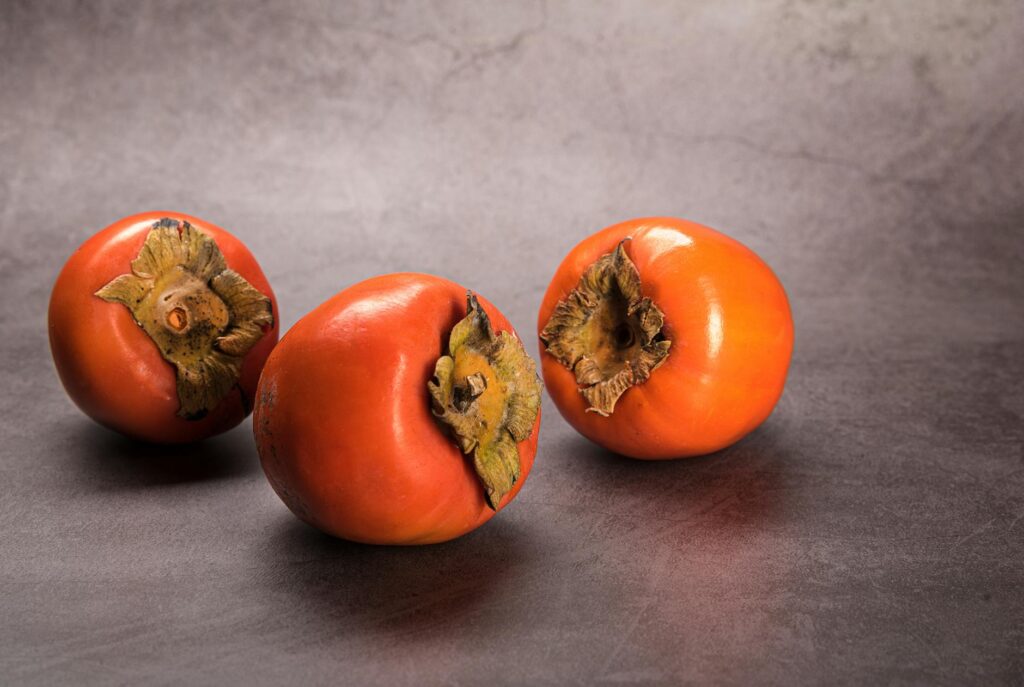
These are the stars of the show when it comes to eating the skin. Fuyu persimmons are typically squat, tomato-shaped, and can be eaten firm. Their flesh is sweet and mild, and importantly, their skins are thin, smooth, and not bitter or chalky. Experts recommend Fuyu persimmons for those new to eating the skin, as they offer a pleasant texture and taste.
Astringent Varieties (like Hachiya)
Hachiya persimmons are acorn-shaped and must be eaten when completely soft and jelly-like. If you try to eat an astringent persimmon when it’s firm, the skin (and flesh) will be incredibly bitter and chalky due to high tannin content. While the skin of a very ripe Hachiya is technically edible, it’s generally not recommended or pleasant due to the lingering astringency. It’s best to scoop out the soft flesh. For guidance on how to know if your persimmon is ripe, consult resources like marthastewart.com, which offers practical tips.
So, if you’re wondering, “are persimmon skins edible?”, the answer is most confidently yes for Fuyu and similar non-astringent types.
The Nutritional Powerhouse: What’s in Persimmon Skin?
Discarding persimmon skins means missing out on a significant nutritional boost. Research from institutions like the USDA FoodData Central continues to show that the skin contains a substantial amount of dietary fiber, which is essential for digestive health. It can help regulate blood sugar levels and promote a feeling of fullness. Fall fruits, including persimmons, are highlighted for their benefits, with nutritionists noting their rich antioxidant profiles.
Beyond fiber, persimmon skins are a good source of:
- Vitamins: Including Vitamin A (important for vision and immune function) and Vitamin C (a powerful antioxidant).
- Minerals: Such as potassium and manganese.
- Antioxidants: Flavonoids and carotenoids, which help combat oxidative stress in the body.
Consuming persimmons with the skin can lead to increased satiety and sustained energy release, aligning with the growing interest in consuming whole foods for maximum nutritional benefit.
Texture and Taste: What to Expect
The skin of a Fuyu persimmon is thin and slightly chewy, similar in texture to a ripe apple skin but perhaps a bit softer. It doesn’t have a strong, overpowering flavor; rather, it complements the sweet, mild taste of the persimmon flesh. Think of it as a subtle addition that adds complexity rather than dominating the fruit’s natural sweetness.
It’s not tough or unpleasant like the skin of some other fruits. When perfectly ripe, the Fuyu skin is smooth and yielding. If you’ve ever bitten into a slightly underripe Fuyu, you might have noticed a faint, almost imperceptible astringency in the skin. This usually disappears as the fruit fully ripens. For those accustomed to peeling fruits like peaches or nectarines, eating persimmon skin is a natural progression. It adds a slight earthiness and a more robust mouthfeel to the fruit.
How to Prepare Persimmon Skin for Eating
Eating persimmon skin is straightforward, but a little preparation goes a long way.
- Choose the Right Variety: As discussed, stick to non-astringent varieties like Fuyu. If you’re unsure, ask your grocer or check the shape (Fuyu are typically flat and blocky).
- Wash Thoroughly: This is non-negotiable. Use cool running water and a soft vegetable brush if needed to remove any dirt or residues. If you’re not buying organic, consider a produce wash or a soak in diluted vinegar (1 part vinegar to 3 parts water) followed by a good rinse.
- Inspect for Imperfections: Check the skin for any bruises, blemishes, or soft spots. While minor imperfections are usually fine, you might want to trim away any damaged areas before eating.
Delicious Ways to Eat Persimmon Skin
Once prepared, persimmon skin can be enjoyed in numerous ways:
- Eat Them Whole: The simplest method – wash, slice (if desired), and enjoy!
- In Salads: Thinly sliced Fuyu persimmon, with skin, adds color, texture, and nutrients to green salads or grain bowls.
- Smoothies: Blend whole persimmons (seeds removed) into your favorite smoothie for added fiber and vitamins.
- Baked Goods: Finely chopped persimmon skin can be incorporated into muffins, quick breads, or cookies for an extra nutritional punch.
- As a Garnish: Thin strips of Fuyu skin can add a decorative and edible touch to desserts or appetizers.
Common Mistakes When Eating Persimmon Skin
To ensure a positive experience, avoid these common pitfalls:
- Eating Astringent Varieties: The most common mistake is attempting to eat the skin of an unripe Hachiya or other astringent types, leading to an unpleasant, bitter taste.
- Insufficient Washing: Failing to wash the skin thoroughly can leave behind dirt, pesticides, or wax, impacting taste and safety.
- Ignoring Ripeness Cues: Even Fuyu persimmons should be ripe for the best texture and sweetness. Underripe Fuyus can have a slightly firm or subtly astringent skin.
Frequently Asked Questions About Persimmon Skins
Are all persimmon skins edible?
No, not all persimmon skins are recommended for consumption. Non-astringent varieties like Fuyu are ideal, offering a thin, palatable skin. Astringent varieties, such as Hachiya, should only be eaten when extremely soft, and even then, the skin is often not enjoyable due to high tannin content.
Do I need to peel Fuyu persimmons?
It is not necessary to peel Fuyu persimmons. Their skins are thin, smooth, and edible when the fruit is ripe, contributing fiber and nutrients. Thorough washing is recommended before eating them whole.
What does persimmon skin taste like?
Fuyu persimmon skin has a mild flavor that complements the fruit’s sweetness. It has a slightly chewy texture, similar to that of a ripe apple skin, and adds a subtle earthiness.
Can I eat the skin of an unripe persimmon?
It is not recommended to eat the skin of an unripe persimmon, especially astringent varieties. Unripe persimmons, regardless of type, can be bitter and chalky. Always ensure persimmons are ripe before consuming, particularly if you intend to eat the skin.
How can I tell if a persimmon is ripe enough to eat the skin?
For Fuyu persimmons, look for fruit that is firm but yields slightly to gentle pressure, with a deep orange color. The skin should appear smooth and glossy. For astringent varieties, they must be very soft, almost jelly-like, before consuming the flesh, and the skin is generally best avoided.
Conclusion
The question of whether persimmon skins are edible is definitively answered with a ‘yes,’ particularly for the popular Fuyu variety. By embracing the skin, you not only enhance the nutritional profile of your persimmon intake but also reduce food waste and discover a more complete fruit experience. Remember to choose wisely, wash thoroughly, and enjoy the subtle flavors and textures this often-discarded part of the fruit has to offer.