What is Technology? Your 2026 Guide
Technology is the application of scientific knowledge for practical purposes, especially in industry. In 2026, it encompasses everything from AI-driven automation to interconnected IoT devices, fundamentally reshaping how we live, work, and interact. It’s not just about gadgets; it’s about the systems, processes, and tools we create to solve problems and enhance human capabilities. Recent advancements, particularly in AI and machine learning, are pushing the boundaries of what’s possible at an unprecedented pace.
Table of Contents
What is Technology: The Evolving Definition?
At its core, technology refers to the creation and use of tools, techniques, systems, organizations, and methods to solve problems or achieve goals. The definition isn’t static; it’s a living concept that expands with human ingenuity. While early humans used simple stone tools, today’s definition is deeply intertwined with digital systems, artificial intelligence, and global connectivity. Think of it as the sum total of our knowledge about how to do things and our ability to implement that knowledge through creations.
The rapid evolution means that what was considered advanced technology just a decade ago might now be commonplace. For instance, the widespread adoption of smartphones and cloud computing in the 2010s has fundamentally altered communication, work, and entertainment. This continuous innovation is a hallmark of modern technology.
How Has Technology Changed in Recent Years?
The most significant shifts in technology over the past few years have been driven by the maturation and integration of artificial intelligence (AI) and the expansion of the Internet of Things (IoT). AI is no longer a niche concept; it’s embedded in everything from recommendation algorithms on streaming services to sophisticated diagnostic tools in healthcare. Machine learning, a subset of AI, allows systems to learn from data without explicit programming, leading to smarter and more adaptive technologies.
The Internet of Things (IoT) has connected everyday objects to the internet, enabling them to collect and exchange data. This has led to smart homes, wearable health trackers, and optimized industrial processes. For example, smart thermostats like the Nest Learning Thermostat learn your habits to save energy, a direct application of IoT and AI working together.
Also, advancements in areas like 5G connectivity, quantum computing (still in its nascent stages but rapidly progressing), and biotechnology are laying the groundwork for future technological revolutions. The convergence of these fields is accelerating the pace of change, making it challenging to predict the exact trajectory but highlighting a trend towards greater automation, personalization, and interconnectedness.
What are the Key Domains of Modern Technology?
Modern technology can be broadly categorized into several interconnected domains, each contributing to the overall technological landscape. Understanding these domains helps demystify what technology is and how it operates.
One of the most impactful domains is Artificial Intelligence (AI), which includes machine learning, natural language processing, and computer vision. AI powers everything from virtual assistants like Siri to complex predictive analytics in finance.
The Internet of Things (IoT) connects physical devices to the internet, enabling data collection and remote control. This is crucial for smart cities, industrial automation, and personalized healthcare. Think of smart sensors in factories optimizing production lines.
Cloud Computing provides on-demand access to computing resources (servers, storage, databases, networking, software, analytics, and intelligence) over the internet. Companies like Amazon Web Services (AWS) and Microsoft Azure are giants in this space, enabling scalability and accessibility for businesses worldwide.
Cybersecurity is paramount, focusing on protecting systems, networks, and data from digital attacks. As technology becomes more integrated, strong cybersecurity measures are essential to prevent breaches and safeguard sensitive information.
Other significant domains include Big Data and Analytics (processing vast amounts of data for insights), Biotechnology (using biological systems for innovation), and Robotics (designing, constructing, operating, and application of robots).
[IMAGE alt=”Infographic showing interconnected domains of modern technology” caption=”Key domains of technology working in combination.”]
Why is Understanding Technology Crucial Today?
In 2026, a fundamental understanding of technology is no longer optional; it’s a prerequisite for effective participation in society and the economy. Technology influences our daily decisions, our career paths, and our understanding of the world.
For individuals, technological literacy means being able to use digital tools effectively, protect personal data online, and critically evaluate information encountered in the digital realm. It empowers you to leverage technology for personal growth, from online learning platforms like Coursera to managing personal finances with apps.
In the professional sphere, understanding technology is vital for career advancement. Many jobs now require digital skills, and emerging fields are entirely technology-driven. Even in traditional sectors, technology is transforming operations, demanding adaptability and continuous learning. For example, agricultural technology (AgTech) is revolutionizing farming practices.
The global spending on digital transformation is projected to reach $3.4 trillion in 2026, highlighting the immense economic impact and the need for technological fluency across all industries. (Source: Statista, 2026 projection)
Understanding technology also enables informed citizenship. Issues like AI regulation, data privacy laws, and the ethical implications of emerging technologies require a populace that can engage in informed discussions and make sound decisions. It helps us distinguish between hype and genuine progress.
Practical Applications: Technology in Your Daily Life
You interact with technology constantly, often without explicit thought. From the moment you wake up, technology is at play. Your smartphone, used for checking the time, news, and weather, is a sophisticated piece of technology. Smart home devices, like Amazon Echo or Google Home, manage lighting, music, and provide information on command.
Consider transportation: GPS navigation systems, like those found in Google Maps or Waze, use complex algorithms and real-time data to guide you. Electric vehicles (EVs) and autonomous driving technologies are rapidly advancing, changing how we commute.
In healthcare, wearable devices from companies like Garmin track vital signs, providing valuable data for preventative care. Telemedicine platforms allow remote consultations, increasing access to medical advice.
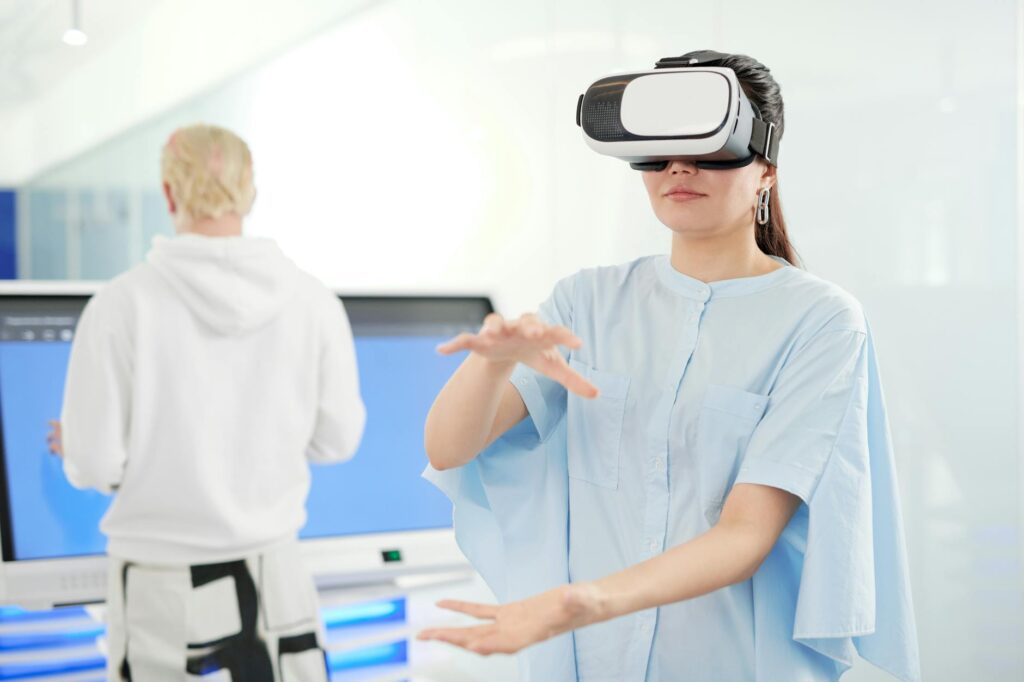
Entertainment has been transformd. Streaming services like Netflix and Spotify use AI to personalize recommendations. Virtual Reality (VR) and Augmented Reality (AR) are creating immersive gaming and educational experiences. The gaming industry, for instance, is a massive technological driver.
Here’s a look at how technology manifests in common areas:
| Area of Life | Technological Applications | Impact |
|---|---|---|
| Communication | Smartphones, social media apps, video conferencing (Zoom, Microsoft Teams), instant messaging | Instant global connectivity, remote collaboration, altered social interaction |
| Work | Cloud computing, AI-powered analytics, project management software (Asana, Trello), automation tools | Increased efficiency, remote work capabilities, data-driven decision making |
| Education | Online learning platforms (edX, Coursera), digital textbooks, interactive simulations, AI tutors | Accessible learning, personalized education paths, enhanced engagement |
| Home Management | Smart thermostats, smart lighting, security cameras, voice assistants (Alexa, Google Assistant) | Convenience, energy efficiency, enhanced security |
Navigating the Future of Technology Responsibly
The trajectory of technology is set to continue its rapid ascent, with AI, quantum computing, and advanced robotics poised to bring about transformative changes. As we look ahead, it’s imperative to approach these developments with a sense of responsibility and foresight.
One of the most critical aspects is ethical development and deployment. This involves ensuring that AI systems are fair, transparent, and accountable. It also means proactively addressing potential societal impacts, such as job displacement due to automation, and developing strategies to support affected individuals and communities.
For example, the development of AI for autonomous vehicles by companies like Waymo requires rigorous safety testing and clear ethical guidelines for accident scenarios.
Digital literacy and continuous learning will become even more important. Individuals and organizations must adapt by acquiring new skills and staying informed about technological advancements. Educational institutions and governments have a role to play in providing accessible training and resources.
Finally, fostering public discourse and inclusive policymaking is essential. Decisions about the future of technology should involve a broad range of stakeholders, including ethicists, social scientists, policymakers, and the general public, not just technologists and corporations. This collaborative approach ensures that technology serves humanity’s best interests.
Frequently Asked Questions
Is technology only about computers and the internet?
No, technology is much broader. It includes any tool, technique, or system developed to solve problems or achieve goals. While computers and the internet are prominent examples, technology also encompasses things like agriculture, medicine, and basic tools like the wheel.
How does AI change the definition of technology?
AI significantly advances the definition by introducing systems that can learn, adapt, and perform tasks that previously required human intelligence. This moves technology beyond mere tools to intelligent agents capable of complex problem-solving and decision-making.
What is the difference between technology and science?
Science is the systematic study of the structure and behavior of the physical and natural world through observation and experiment. Technology is the application of that scientific knowledge for practical purposes, often resulting in tools, processes, or systems.
How is IoT transforming everyday life in 2026?
IoT is transforming daily life by connecting everyday objects to the internet, enabling data exchange and remote control. This leads to smarter homes, more efficient energy use, personalized health monitoring, and more connected urban environments.
What are the biggest ethical challenges in technology today?
Major ethical challenges include AI bias and fairness, data privacy and security, the impact of automation on employment, the responsible development of powerful AI, and ensuring equitable access to technological benefits across society.
Understanding what technology is in 2026 means recognizing its pervasive influence and its ever-expanding capabilities. By staying informed and engaging critically with its development, we can better harness its power for positive change and Handle the future more effectively.